
Health and emergency preparedness are critical areas that PR professionals must be ready to handle, particularly in relation to a crisis. This means going beyond reactive crisis communication, but living in a “state of perpetual preparedness,” as described in an article from Ragan PR Daily by Jess Zafarris (Zafarris, 2023). This concept demonstrates the importance of always remaining prepared, as emergencies can strike at any moment.
Heather Bermudez and Aileen Izquierdo explain in an article for PRSA Strategies and Tactics that when Covid-19 occurred, companies benefitted from being authentic, transparent, timely, humble and proactive about organizational vulnerabilities (Bermudez and Izquierdo, 2020). Covid-19 is a prime example of health and emergency awareness that required PR responses from organizations in the same way that these four cases also did.
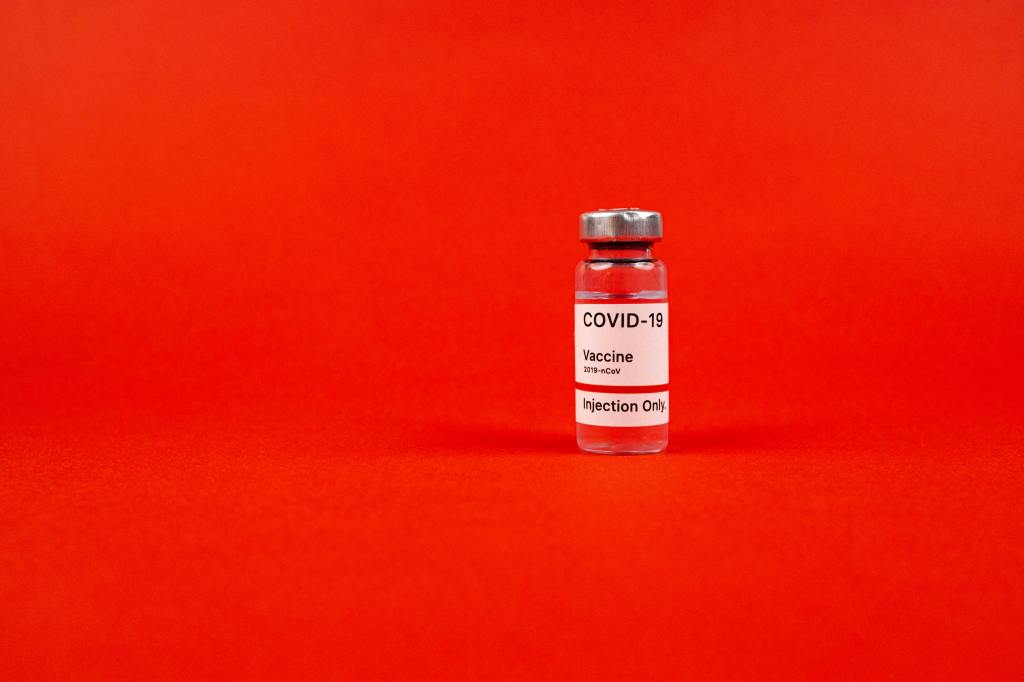
Health and emergency awareness must be addressed by PR professionals in a manner that helps both the organization and their stakeholders.
FactNotFiction
The FactNotFiction campaign worked to provide comprehensive sex education to Mississippi public school students to bridge a gap that has historically been overlooked, leading to high teen birth rates and STI rates. The campaign tried to meet their intended audiences on media platforms they already used, which helped reach stakeholders and disseminate information (Ragsdale et al., 2015).
This case demonstrates the importance of sharing helpful health information in effective ways that resonate with audiences.
#Whatididinstead
The #WhatIDidInstead campaign focused on reducing teenage drinking by reinforcing positive social norms. By showing alternative options to consuming alcohol for teenagers, the campaign helped encourage healthy decision making and responsible behavior (Floyd-Springer, 2018).
This case is important because it shows how campaigns can help reshape attitudes and raise awareness for social issues.
Cdc’s zombie apocalypse
The CDC’s zombie apocalypse themed campaign shows how creativity in messaging can help engage audiences and increase public awareness about health information. The CDC created an interesting and entertaining campaign to reach stakeholders and inform them about emergency preparedness, showing that sharing important information does not have to be boring (Kruvand & Silver, 2013).

The CDC zombie apocalypse campaign shows how innovative measures can be taken to increase stakeholder awareness and responsiveness to life-saving information.
Dow corning breast implants
The Dow Corning breast implant case shows how transparency regarding public health crises is especially important for organizations. When information came out regarding the safety of breast implants, Dow Corning faced a crisis of reputation and public trust. The company was forced to respond to the crisis and rebuild trust with stakeholders, as their product was negatively affecting consumers (Dow Corning and Breast Implants).
Dow Corning’s breast implant case shows the importance of taking accountability and being honest in a crisis, especially when the issue negatively impacts stakeholders and public health.
Emergency awareness and PR
Overall, these cases show the importance of communicating about health and emergency awareness to publics in ways that reach them effectively. Strong communication can help disseminate information, creatively target stakeholders and maintain trust during a crisis. Ultimately, these cases demonstrate how effective health and emergency communication rely upon strong PR skills to resonate with stakeholders and improve public preparedness.
Keywords
Emergency Awareness, Public Relations Campaigns, Health Communication, Stakeholder Engagement, Strategic Communication
References
Bermudez, H., & Izquierdo, A. (2020, July/August). Trust and transparency in times of crisis. Public Relations Society of America (PRSA). https://www.prsa.org/article/trust-and-transparency-in-times-of-crisis
Dow Corning and Breast Implants: Dealing with the Perception of Deception. (n.d.) In Standards, Ethics, and Values (pp. 261-267)
Floyd-Springer, K. (2018). A strategic view: #WhatIDidInstead: A social media rather than social norms approach to curb teen drinking. In Cases in Public Relations Strategy (pp. 162–165).
Kruvand, M., & Silver, M. (2013). Zombies gone viral: How a fictional zombie invasion helped CDC promote emergency preparedness. Case Studies in Strategic Communication, 2, 34–60. http://cssc.uscannenberg.org/wp-content/uploads/2013/10/v2art3.pdf
Ragsdale, K., Harper, S. K., Kathuria, S., Bardwell, J. H., Penick, C. B., & Breazeale, M. (2015). Social media to enhance sexual health education for youth: FactNotFiction’s (re)design and launch. Case Studies in Strategic Communication, 4, 88–112. http://cssc.uscannenberg.org/wp-content/uploads/2016/06/v4art5.pdf
Zafarris, J. (2023, November 13). Weathering a crisis: Lessons in emergency preparedness from The Weather Company. PR Daily. https://www.prdaily.com/weathering-a-crisis-lessons-in-emergency-preparedness-from-the-weather-company/


Leave a Reply