

Ethical behavior applies to all aspects of daily life, including in the public relations field. It is easy to see that PR is about protecting reputations and organizations, but harder to understand the delicate balance between duty and ethics.
PR professionals must keep in mind the importance of keeping ethical behavior at the forefront of their minds, particularly in the face of crises and difficult decisions.
Michelle Olson stated in an article for PR News that the tenets of ethical behavior in PR rely upon questioning everything, trusting your gut, being vigilant and understanding that the future of ethics is evolving (Olson, 2021). All of these factors are important to note while learning how ethics and PR interact.
Ethical behavior infiltrates public relations efforts and how difficult situations should be handled. The four cases examined reveal that PR is more than just organizational and reputational protection, but also acting honestly in hard circumstances through ethical decision making and communication.
Penn State Scandal
Penn State faced a massive scandal when former football coach Jerry Sandusky was proven to be a serial child sexual predator for 15 years. Allegations were ignored and handled improperly by the university for years, which showed that the school cared more about football than ethical behavior.
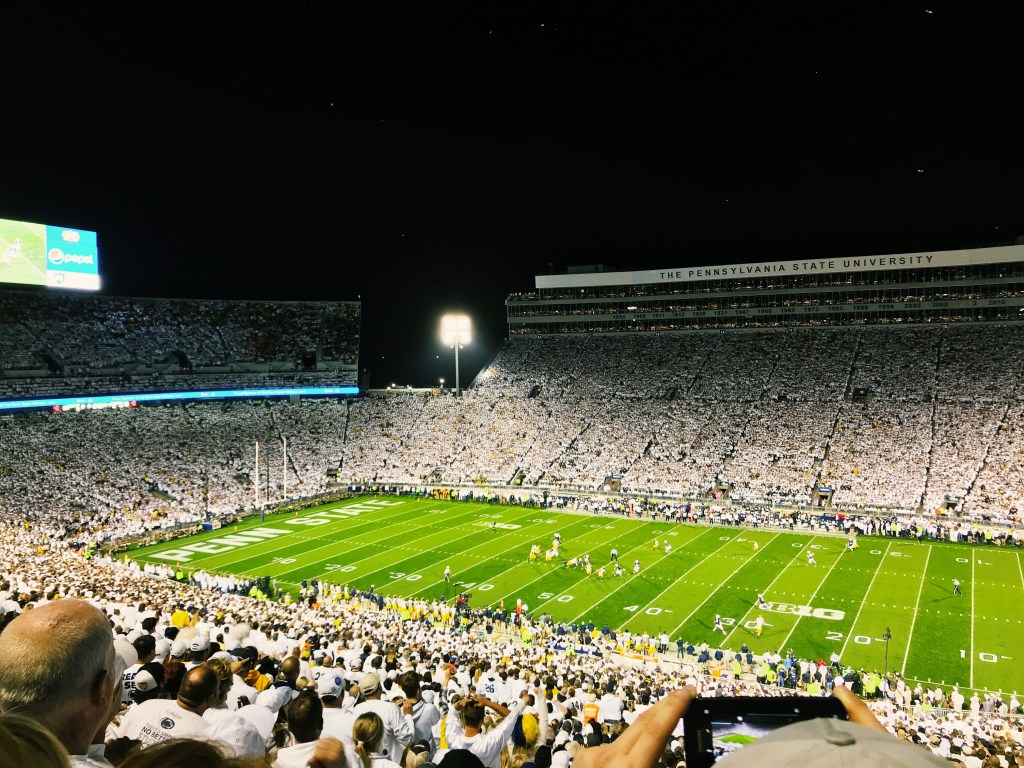
Initially, Penn State defended Sandusky and prioritized institutional protection over transparency and helping victims. The university later fired several executives and implemented reforms to rebuild trust (Penn State Fumbles).
This case is a heartbreaking example of an organization’s failure to act ethically and protect victims. Organizations must focus on transparency and accountability in their public relations efforts, which is even more necessary when there are victims involved.
The NFL & CTE
The NFL has had to balance ethical behavior with institutional profit when determining how to handle CTE amongst players and proper concussion protocol. Despite scientific evidence, the NFL chose to downplay the link between football and brain damage.
Eventually, the NFL introduced new concussion protocols following congressional hearings and lawsuits from players (Concussions). This case teaches that prioritizing health and safety should take precedence over profits, and by prolonging the decision making, they lost public trust and credibility.
The Catholic church
When a Boston reverend was put on trial for the abuse of minors, many other victims came forward and the spotlight was placed on the Catholic Church to respond. The crisis revealed years of abuse within the Church on a large scale that had been covered up.

Reforms were implemented over time, but the Church still struggled to maintain public trust after a troubling situation occurred within their institution for many years (Trouble in the Pews). Once again, this situation highlights how accountability is crucial to crisis communication and public relations because crises become more dangerous when organizations attempt to cover them up.
The September 11 Memorial
The rebuilding of the September 11 Memorial demonstrates the importance of balancing ethical behavior with political, social and economic issues. In the face of a devastating terrorist attack, PR professionals were tasked with navigating conflict between victims’ families, developers and government agencies to ensure that transparency and compassion were included in the conversation.
The case highlights that ethical leadership in crises is not about eliminating conflict, but about honoring diverse values while working toward a solution to preserve public trust.

Why Should PR professionals act ethically?
As Grace Williams wrote in an article for Ragan PR Daily, “contrary to what spin doctor television portrayals may have you believe, strong ethics are a defining characteristic of any good PR person” (Williams, 2023).
Successful PR incorporates not only strategic communication, but also care and respect for all stakeholders. For PR professionals, ethical behavior is not a suggestion, but a requirement for excellence.
Key Words
Ethics, Crisis Communication, Public Relations, Accountability, Transparency
Works Cited
Concussions: A Yellow Flag on the NFL. (n.d.) In Entertainment And Leisure (pp. 383-300)
Karolak, H., & Mancino, S. (n.d.). The September 11 Memorial. In Public Relations Functions (pp. 35–41).
Olson, M. (2021, Sept. 1). Ethics Work Best When Reinforced as a Constant State of Mind. PR News Online. https://www.prnewsonline.com/prsa-ethics-month/
Penn State Fumbles: Child Abuser Operates Undetected in Happy Valley. (n.d.) In Entertainment And Leisure (pp. 403-423)
Trouble in the Pews: The Catholic Church and Child Molestation. (n.d.) In Crisis Management (pp. 294-300)
Williams, G. (2023, Dec. 4). Exploring PR’s Ethical Gray Areas. Ragan PR Daily. https://www.prdaily.com/exploring-prs-ethical-gray-areas/


Leave a Reply