
Social issues and norms are increasingly becoming a key consideration for organizations’ public relations teams. According to an article by Jon Goldberg on PRSA Strategies and Tactics, research shows that an large majority of consumers expect corporations to take stances on social issues (Goldberg, 2024). This means that it is now more important than ever for organizations to stand up for what they believe in.
An article from Cision explains that, “brand activism is here to stay” (Lorenz). For PR professionals, this shows that being culturally competent is a required skill for effective communication and campaigns. Understanding social issues and how to successfully incorporate them into public relations is now a critical aspect of PR efforts.
American Airlines
American Airlines became a trailblazer in their efforts to engage with LGBTQ+ issues when they were faced with backlash regarding exclusionary incidents. These situations forced the company to reevaluate their policies regarding LGBTQ+ passengers and helped them reposition their brand as inclusive to all audiences.
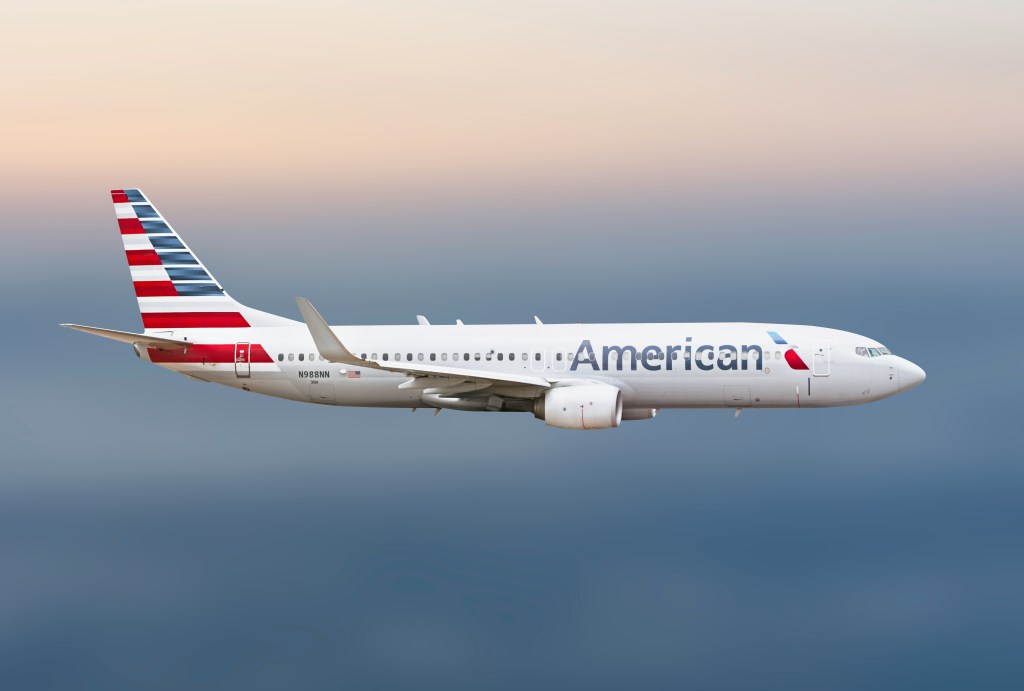
By listening to feedback from stakeholders, American Airlines decided to apologize for their actions and update their policies to include sexual orientation protections (Ciszek, 2016). This case demonstrates how organizations can turn backlash into advocacy and set precedent for how other major corporations should act regarding social issues.
Bud Light
Bud Light partnered with transgender influencer Dylan Mulvaney, which was not well-received by their mostly conservative consumers. The campaign sparked widespread controversy across social media, turning an opportunity for inclusion into an anti-LGBTQ+ debate.
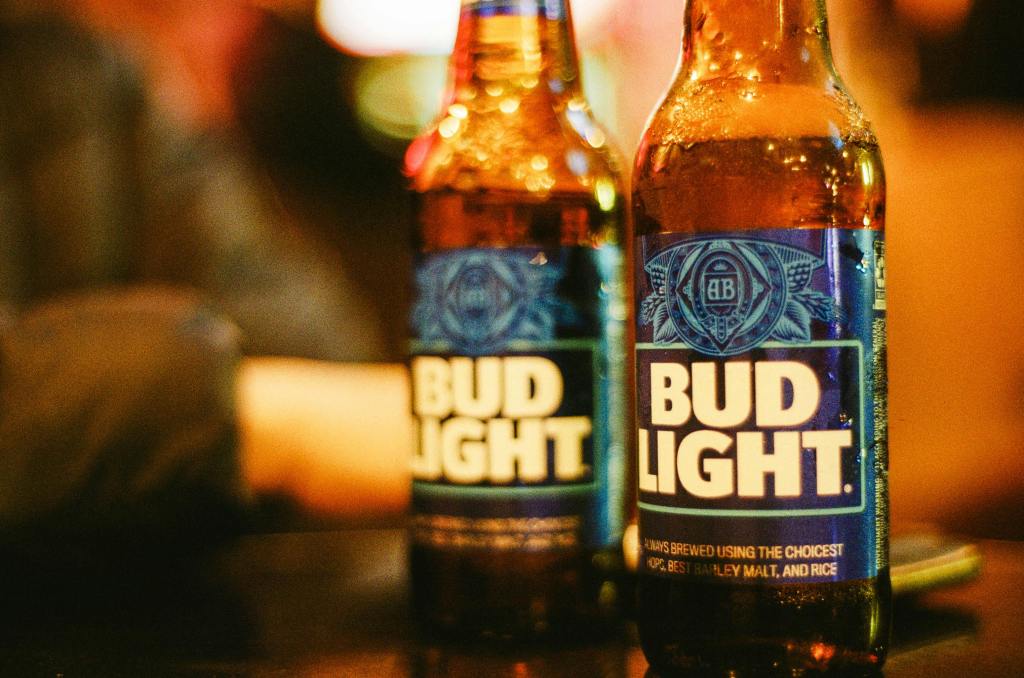
Bud Light failed to communicate effectively about the situation and attempted to backtrack on their inclusionary efforts (Cracking Open a Case). This isolated consumers on both sides, as supporters of Mulvaney were disappointed by the shift in attitudes, and opponents were angry that the partnership happened in the first place.
This case highlights the importance of knowing your audience, especially in relation to social issues, as well as how to navigate controversy after a polarizing issue is brought up.
Love is Love Wedding
The Greater Fort Lauderdale Convention and Visitors Bureau (GFLCVB) became the first Florida government agency to support the overturning of the ban on same sex marriage in the state. The GFLCVB launched the “Love is Love” campaign, which featured a mass wedding where both straight and LGBTQ+ couples could get married and celebrate.
This event positioned Fort Lauderdale as an inclusive city, which helped it gather national media attention and increased tourism (Sheridan, 2018). This case shows how public relations campaigns can be used to promote social issues, which in turn has a positive effect on the organization when done correctly.
Barbie
The 2023 Barbie movie and PR campaign promoting it helped redefine the brand’s culture by embracing feminism, diversity and female empowerment. Prior to the film, Barbie was criticized for promoting unrealistic beauty standards and traditional gender roles. However, the film shifted public sentiment to a much more inclusionary view of the doll and brand itself.
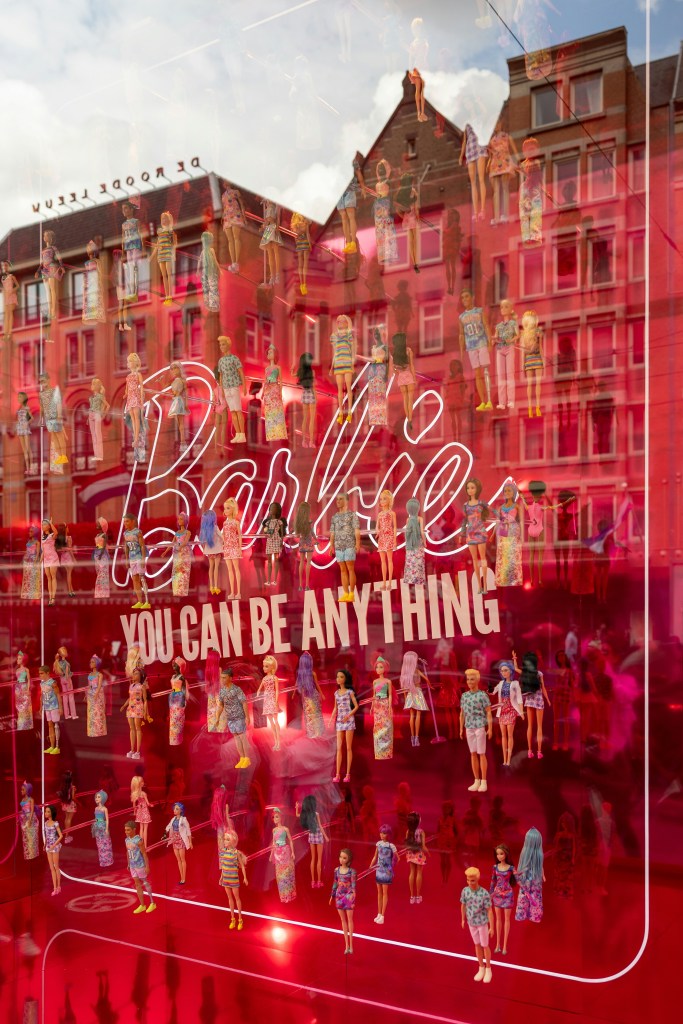
The campaign engaged a wide variety of stakeholders by focusing on representation, empowerment and inclusivity for all audience members, which resulted in a national conversation (Luttrell & Welch, 2023). This case is important because it demonstrates how a brand can successfully challenge outdated social norms and create thought-provoking conversations about social issues.
Why are social norms important for PR?
Social issues and norms are crucial for PR professionals to be aware of when deciding campaign strategy. As these cases show, insufficient awareness can lead to disconnect with your audience, whereas successful incorporation of social issues is extremely beneficial. PR teams must determine how and when their organizations should take a stand, which can boost customer relations and overall company reputation.
Key Words
Inclusivity, Social Issues, Public Relations, Social Norms, LGBTQ+, Crisis Communication
Works Cited
Ciszek, E. (2016). A corporate coming out: Crisis communication and engagement with LGBT publics. Case Studies in Strategic Communication, 5, 72-98. Available online: http://cssc.uscannenberg.org/wp-
content/uploads/2016/08/v5art5.pdf
Cracking Open a Case: The Anheuser-Busch response to Bud Light Boycott. (n.d.).
Goldberg, J. (2024, May). Deciding when to speak up on Social Issues. PRSA Strategies and Tactics. https://www.prsa.org/article/deciding-when-to-speak-up-on-social-issues
Lorenz, M. (n.d.). Should your brand take a stand? A guide to brand activism. Cision. https://www.cision.com/resources/articles/brand-take-a-stand-brand-activism-guide/
Luttrell, R., & Welch, C. (2023). Everything Barbie all at once: “A marketing campaign for the ages.” Case Studies in Strategic Communication, 8, (pp. 16-39).
Sheridan, V. (2018). “Love is Love” wedding in Fort Lauderdale. Cases in Public Relations Strategy (pp. 48–55).
 Heidi Verplank
Leave a comment