
Successful public relations efforts rely heavily upon connection with your target audience to communicate effectively. As stated in an article from PR News, “who is receiving the message is just as important as the message itself” (Schuman, 2024). PR professionals must understand who they are speaking to in order to carry out tactics and strategies well.
According to an article from Ragan PR Daily, audiences are increasingly expecting to actively engage with brands, not simply be passive bystanders (Blackann, 2026). This means that audience identification is more important than ever as consumers want to be included in the conversation, meaning that companies must know who and how to engage them.
Dove
Over the years, Dove has built a reputation for highlighting “real beauty” through campaigns and advertisements. Many of these have been successful, but a major PR failure occurred in 2017 when their campaign portrayed racism rather than inclusivity.

Dove’s ad showed a Black woman transforming into a white woman after using their products, which sparked conversations about racial issues. Dove was not aligned with their audience base and the ad was not interpreted the way that the company intended (Dove).
This case demonstrates how cultural sensitivity and audience awareness are critical in public relations efforts, especially in relation to social issues.
Hurricane Katrina
The aftermath of Hurricane Katrina demonstrates the importance of clear communication between stakeholders and to audiences. Government officials struggled to get on the same page and communicate effectively to residents affected by the natural disaster, which caused confusion and a poor crisis response.
Crisis communication requires an understanding of your audience and a plan that is catered to help them. This case displays why audience identification is the cornerstone of public relations because your communication and action plans must be tailored to your audience.
Starbucks
Starbucks faced backlash in 2018 when two Black men were arrested while waiting in a Philadelphia location. This triggered conversations amongst stakeholders about racial discrimination and bias in the company.
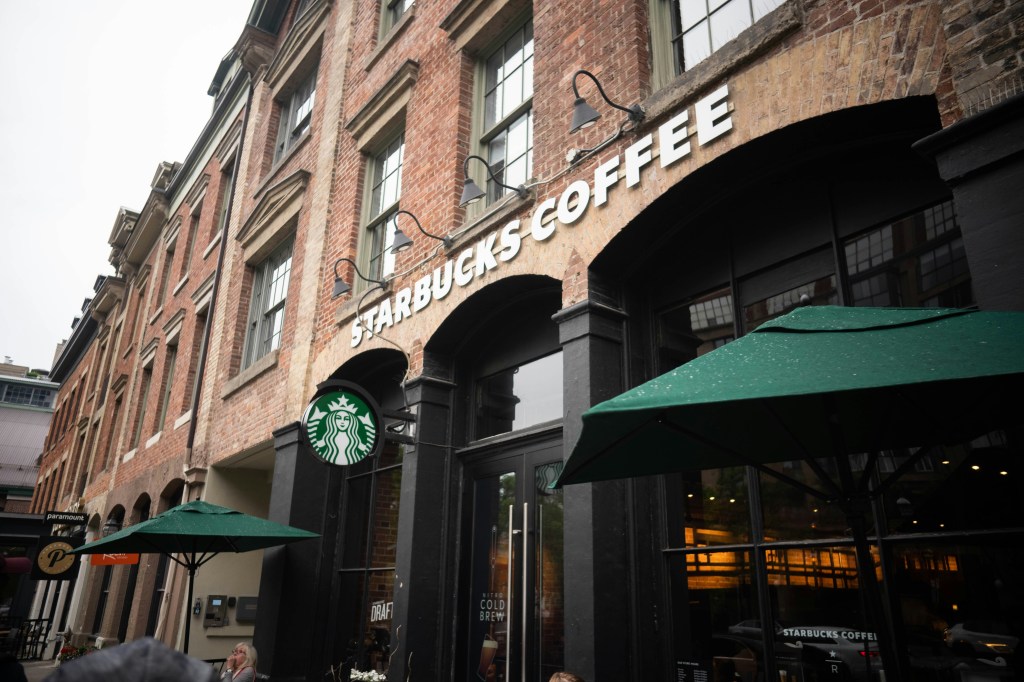
Starbucks responded by apologizing profusely, as well as activating a racial bias training program for their employees. This case highlights how effective crisis communication plans can help restore organizations’ images and repair trust when stakeholders are considered.
Authenticity in PR
PR messaging can easily fail when audiences are not at the forefront of communication efforts. The case about finding authentic moments shares ways to make sure stakeholders are kept in mind, specifically through understanding the brand, the cultural landscape and audiences, as well as how diversity creates cultural competency.
There are several examples provided of companies who failed to maintain authentic communication with stakeholders, including Wells Fargo, Pepsi and Dove. Ultimately, these cases all show why audience and cultural awareness are crucial in public relations efforts.
Why PR Professionals Must understand audiences
After looking at these various cases, it is clear that audience identification is one of the most important aspects of public relations. By understanding your audience, PR professionals can communicate effectively, tailor messaging to different audiences and respond authentically in the face of a crisis.
Keywords
Authenticity, Audience Identification, Public Relations, Crisis Communication, Audience Awareness, Corporate Responsibility
Works Cited
Blackann, C. (2026, March 17). The next phase of social strategy: Giving audiences ownership of the story. PR Daily. https://www.prdaily.com/the-next-phase-of-social-strategy-giving-audiences-ownership-of-the-story/
Dove: A Purpose-Driven Brand In a Crisis of Sincerity. The Struggle to Navigate Rising Expectations of Corporate Responsibility. (n.d.)
Finding Authentic Moments; Avoiding #EpicFails (n.d.). In Consumer Relations (pp. 492–502)
Hurricane Katrina: A Disaster From Beginning to End (n.d.). In Crisis Management (pp. 271–278).
Schuman, N. (2024, January 10). Explainer: How to define an audience. PRNEWS. https://www.prnewsonline.com/explainer-how-to-define-an-audience/
Starbucks: Two Men Arrested For Doing… Not Much (n.d.). In Consumer Relations (pp. 333–352)
 Heidi Verplank
Leave a comment